Take the Money! Graciously Accepting Payment for your Art or Creative Services

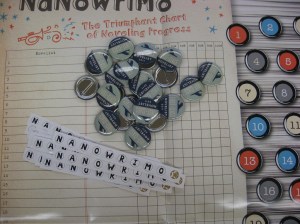
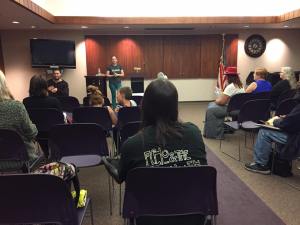
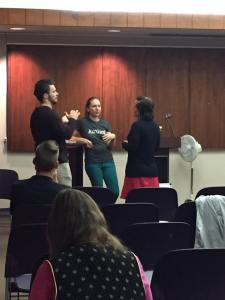
On Thursday, I spoke at a NaNoWriMo kickoff event hosted by the wonderful nonprofit, Inlandia Institute. People seemed to enjoy the workshop and I met some nice people! Afterward, I was surprised and humbled when Inlandia presented me with an honorarium. As a former board member of the organization, I guess I knew in the back of my mind that this was procedure. I just hadn’t thought it applied to me. Honorariums are for real writers, I thought. Professionals. I don’t have enough experience. I wanted to do the event. It was fun for me and a nice way to get my name out there. I didn’t think I deserved it.
                                

I toyed with the idea of just giving the money back. It was so nice, though– I spent money on my Rock of Ages campaign, and this was a way to recoup. I won’t get any royalties for the book until after it’s published, and I won’t get any for the 750 preorders I had to get to have it published. I could definitely use the money.

Eventually I realized I should keep the money, at least a good portion of it, and I shouldn’t feel guilty about it. I’m giving 10% back to Inlandia because I so value the work they do and I want them to know that. If you are lucky enough to get something like this honorarium for sharing your creative work, here’s why you should stop feeling guilty too:

  • Accepting money for writing, or for teaching people about writing, sends the message that writing is valuable. Stories enrich our lives.
  • Writers do so much work that is not paid. As I mentioned, I put money into my crowdfunding campaign. I don’t get paid to blog or send out newsletters. I don’t get paid to write the 1000ish words a day that I usually do. Getting paid occasionally for something isn’t just payment for that workshop or story or whatever. It’s payment, and validation, for that workshop or story and all the unpaid work you do. It’s a gesture from the person or organization paying you that they value all the creative work you do and how it enriches the world.
  • Just because you like doing something does not mean you shouldn’t get paid for it. Really, we know this, but sometimes think it doesn’t apply to us. If you do something because you want to, and then you get money for it, celebrate! That’s amazing!
  • You deserve it! Thinking you don’t is just another nasty way imposter syndrome tries to talk to writers. Whoever gave you the money thinks you deserved it. Believe them!

So send a sincere letter of thanks. Be grateful and gracious. And then keep creating!


So You’re a NaNoWriMo Revision Rebel?

Though you’ve likely heard of NaNoWriMo, you may not know about NaNo Rebels. These are writers who participate in the month-long writing marathon, but don’t follow the rules. They may write essays or nonfiction instead of novels, they may set a word count other than 50,000. They may work on more than one project at once. Or they may revise instead of writing something new. Since I’m knee-deep in the edits for Rock of Ages, if I participate in NaNoWrimo this November, it will be as a rebel. I love the excitement of the month and the tools the program offers, but other than posts on the site’s forums and a few blog posts, I haven’t found tons of resources for participating as a rebel. If you’re planning to use the month to revise, read on for my plan.

Using the Word Tracker

This is the main topic of discussion amongst revision rebels. How do you translate 50,000 words into editing? People tend to do one of a few things:

  • Words processed- Count each word of your old manuscript that you go through
  • Words in the new version- Count the words in your revised work, even if some are copied and pasted or only changed a little bit. These first two are useful if you’re working on a new vomit draft.
  • Daily work- Some people aim to work on their revisions each day for the month. Each day you work, add 1667 words to your count.
  • Time- 1 hour= 500 words, 1 hour= 1000 words, 1 hour= 1667 words, etc. Since I’m trying to slow down and be more deliberate for this draft, this is likely the way I’ll go, though I haven’t decided my time to words ratio yet. A bonus to using this method is that you can count things like research toward your goal. It also leaves room to go over the same passage multiple times without hindering your word count.

Word Sprints

Word sprints are one of the most helpful tools for me when I’m aiming for quantity. These timed sprints often take place on Twitter, but you can do them with a writing friend, too! They help you circumvent your inner editor and get the words flowing. If you’re trying to summon your inner editor, though, you don’t want to suppress her. Here are some ways to harness the energy of a word sprint if you’re revising:

  • If you’re counting words processed or words in your new version, go ahead and race! You can always go back and edit your edits whe the sprint is done.
  • Use it as a focus tool. Ban yourself from looking at or doing anything else for the five, ten, or twenty minutes of the sprint. Even if you just sit there staring at your manuscript, don’t give in to distraction for the set amount of time. Maybe you’ll get something done, or maybe you’ll give your brain enough of a rest that you’ll be able to focus more afterwards.
  • Use it as a break. Give yourself the time of the sprint to work on something new or to do some stream of consciousness writing. You won’t feel guilty that you aren’t getting your revision done because, hey, it’s just a few minutes, and the excitement of writing will likely re-energize you when you return to your draft.
  • Use it for character or world building work. Use the time to write freely about a character’s arc, a scene from their childhood, or a discussion between two of your characters. Write a scene from your world that isn’t in the book. Describe how part of it looks, feels, smells, sounds, and tastes. Write one of your scenes without people. Write one from a different character’s point of view. All of this will help you shape your actual manuscript even if it doesn’t end up in the final version of your book.

Rejoice, Rebel!

Don’t feel guilty about being a revision rebel. NaNoWriMo is a tool to help with your writing. If it’s working for you, then you’re participating, even if you aren’t doing the classic 50,000 new words in 30 days. One of the best parts is the community! So gather your friends, attend a write in, enjoy the forums and the Twitter chat. Sense the buzz in the air that is the worldwide writing community feeling motivated and excited. Happy Almost NaNoWriMo!